This World Family Doctor Day (19 May) COORDINARE, South Eastern NSW PHN is highlighting the importance of having a regular general practitioner (GP) and celebrating the contribution of the region’s 800 GPs in providing continuous health care for the community.
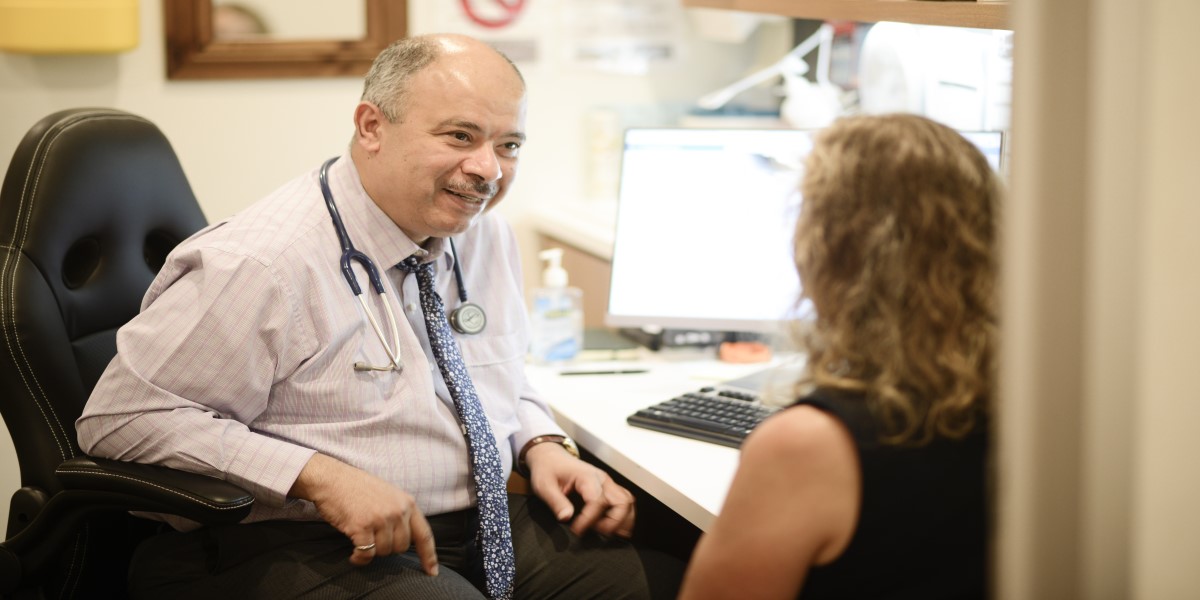
COORDINARE’s Medical Director, Illawarra Shoalhaven Dr Michelmore said, “GPs play a vital role in ensuring patients receive holistic and continuous care and supporting people to maintain health and manage illness.

“GPs are often the first point of contact in the health system and play a key role in coordinating care with other health professionals, including specialists, hospitals and urgent care clinics,” Dr Michelmore said.
“GPs are providing increasingly complex care in consultations and chronic diseases can usually be managed better if you have a regular GP or you consult with GPs in the same practice. Building a strong relationship with your GP over time ensures your GP is someone you trust and someone who knows you and can help you to monitor and manage your long-term health,” she said.
Dr Michelmore said GPs and their practice team provide a wide range of essential services.
“This includes general reviews and health checks, vaccinations and prescriptions, mental healthcare, family planning, pregnancy care, and menopause support,” she said.
“GPs can also arrange referrals for appropriate tests, scans or specialist review, chronic disease management and can offer access to health screening such as cervical screening tests, breast examinations, and bowel screening. They also work with patients to address lifestyle risk factors and support prevention and early intervention,” she said.
Dr Michelmore said it’s also important for the community to understand how different parts of the health system work together.
“Urgent care clinics play an important role in treating urgent, non-life-threatening conditions when care can’t wait, particularly outside of regular GP hours,” Dr Michelmore said.
“However, they are designed to complement – not replace – the ongoing, comprehensive care provided by a regular GP or family doctor. Having a GP who knows your medical history helps ensure better continuity of care and long-term health outcomes.
“This continuity of care is key to building healthier, more resilient communities, and ideally everyone should have access to quality care from a trusted GP,” Dr Michelmore said.