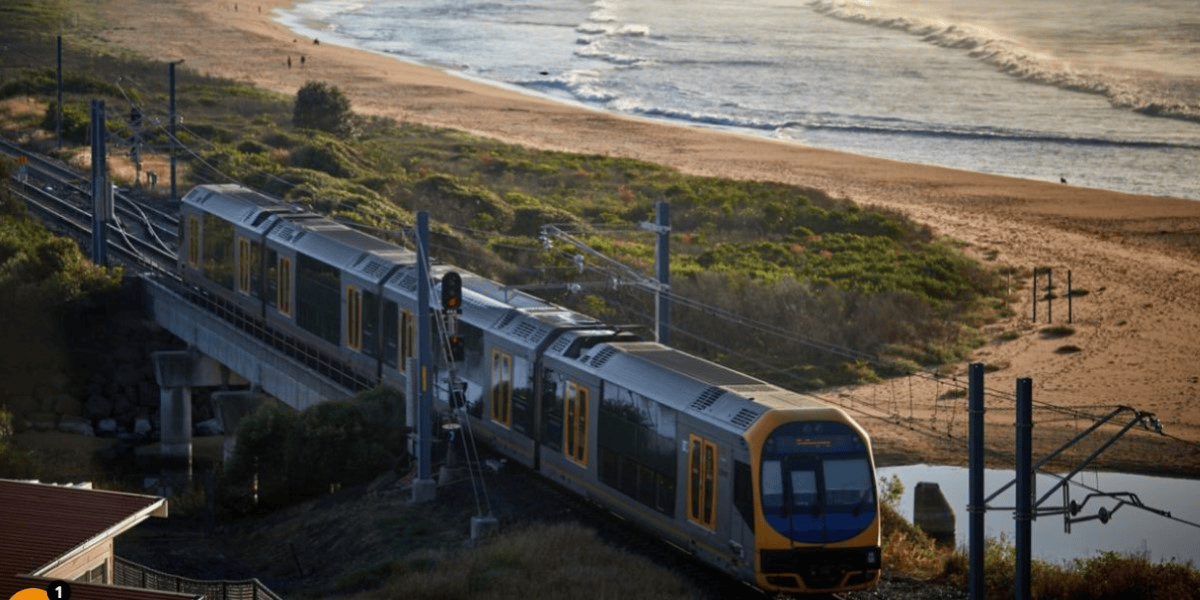
The NSW Government will not proceed with the proposed November timetable changes for the T4,T8 and South Coast lines, following feedback from commuters and local communities.
The decision puts the focus firmly on improving reliability across the existing rail network, backed by the Government’s $2.1 billion investment in rail maintenance and incident response.
The proposed timetable, announced earlier this month, was designed to deliver more frequent services and additional capacity across southern Sydney and the South Coast.
However, passengers, local communities and local MPs have raised concerns about the impact ofthe changes.
The Government has listened to that feedback and decided not to proceed with the proposed
timetable.
The existing timetable will remain in place, as Transport for NSW continues work to improve reliability and engages with communities on future service improvements.
The decision reflects the Government’s commitment to re-investing in the existing heavy rail network.
A statement said “For 12 years, the former Liberal-National Government poured billions of dollars into new Metro lines while failing to give the existing heavy rail network the investment and attention it needed.
“While Sydney’s expanding Metro network is transforming public transport across the city, millions of passengers still depend on the existing heavy rail network to get to work, school and home every day.
“Parts of that network are more than 100 years old. Without proper investment in tracks, signals and other critical infrastructure, passengers will continue to face delays and disruptions.
“The Government’s priority must be ensuring the trains already on the network run reliably before introducing major changes to services.
“The $2.1 billion investment in maintenance and incident response is focused on improving the resilience and performance of Sydney’s rail network.
“The Government remains committed to delivering more frequent services and better connections, with future timetable improvements to be informed by passenger feedback and the performance of the existing network,” it said.