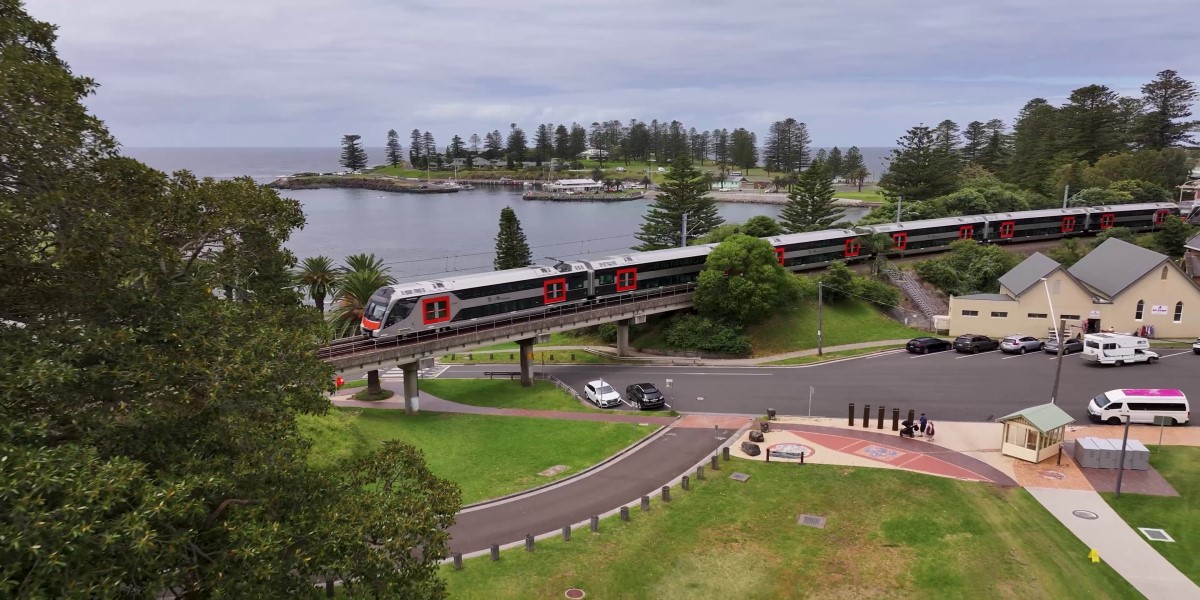
Kiama Liberal Serena Copley claims while the new Mariyung trains are a welcome upgrade in comfort, the way they’ve been rolled out is not working for many people in our community.
Ms Copley said, “The trains themselves are good. But the rollout has been poorly handled, and right now, commuters are worse off.

“What I’m hearing isn’t frustration about the trains themselves. It’s frustration about what the journey now looks like in real life, more transfers, longer travel times, and more complexity just to get to work, the city, or the airport.
“Labor focused on the rollout, not fixing the problem,s we would have taken the time to get it right before putting commuters through this,” she said.
For many people travelling from Bomaderry, Nowra and across the South Coast, this means multiple changes where there used to be simpler, more direct connections. For families, workers and anyone travelling with luggage, that’s not a small inconvenience, it’s a real impact on their day.
Ms Copley said, “Labor has had years to prepare for this rollout, and commuters are now dealing with the consequences.
“South Coast communities should not be asked to absorb the impact of Sydney network
constraints without a clear plan to improve their own services,” Ms Copley said.
“For a lot of South Coast commuters, getting to the airport or key stations has just become harder, not easier”
I want to be clear, I’m not going to make unrealistic promises about rebuilding the rail network overnight. But I will fight for practical improvements that make a real difference. That means pushing for better timetable coordination so that where changes are required, they are seamless and minimise wait times.
It means advocating for improved access to key interchange points like Wolli Creek, and ensuring South Coast commuters are not disproportionately impacted by network decisions.
“There has been no shortage of work on this line, but none of it has addressed the real problems commuters are now facing.
“I will also be calling for greater transparency around how these decisions are made, including how capacity is allocated across the network and whether our region is being fairly prioritised,” she said.