Forestry and regional community stakeholders are calling on the NSW Government to halt the creation of any new national parks in southern New South Wales until a comprehensive assessment of economic, environmental and community impacts can be undertaken.
The call follows growing concerns that further expansion of the national park estate could reduce access to sustainably managed timber resources, increase pressure on regional employment, and limit active land management options needed to address bushfire risk.

According to Timber NSW Chief Executive Maree McCaskill, ‘Southern NSW already contains extensive areas of national park and future conservation efforts should focus on improving management outcomes rather than simply increasing the size of the national park network.
‘The combination of parks stretching from the South Coast through the Snowy Mountains already forms one of Australia’s largest contiguous protected landscapes. The debate, if one is needed, should be about the balance between locking up land, timber production, recreation, fire management and regional economic activity.
‘Communities across the region are increasingly concerned that productive forests are being locked away without a clear understanding of the long-term economic and social consequences,’ said Maree.

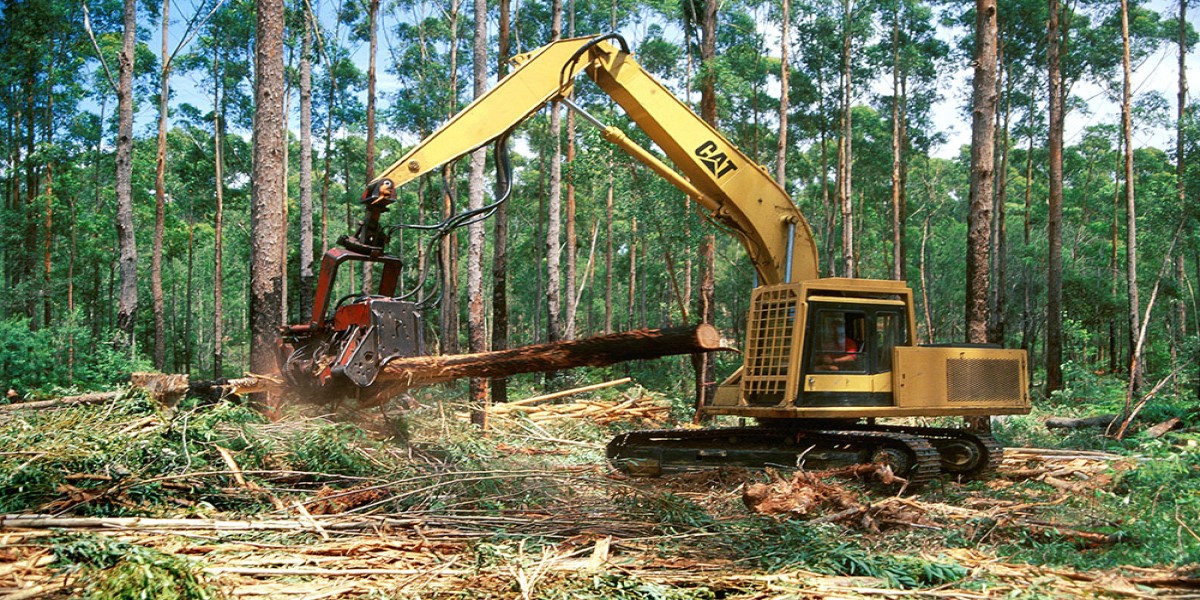
The forestry sector supports thousands of jobs across southern NSW and contributes significantly to regional economies through timber harvesting, transport, processing and manufacturing. Industry representatives argue that sustainably managed state forests can deliver both conservation and economic outcomes.
‘There is growing and well documented evidence that active land management plays a critical role in building resilience against catastrophic bushfires and maintaining healthy forest ecosystems.
Timber NSW is suggesting that before making any more non-scientific decisions like the supersized Great Koala National Park, the NSW Government should demonstrate how existing protected areas are being managed and whether alternative approaches can deliver stronger environmental, social and economic outcomes.’
‘Regional communities deserve to have a genuine voice in decisions that affect their livelihoods, their environment and their future.