A NSW Upper House committee has today tabled its final report for its inquiry into proposed waste-to-energy facilities in NSW.
The report considers the planning, assessment and regulation of such facilities, concerns about environmental and health impacts, regionally-restricted precincts and levels of community consultation.
It makes 22 recommendations to the NSW Government. Primary among these are that the currently designated facilities at Goulburn-Mulwaree and Parkes not be approved in the absence of critical elements including conclusive social licence. Other recommendations focus on the need for greater reinvestment into the waste sector for better future outcomes, and a moratorium on waste-to-energy proposals for an independent review to be undertaken on site selection criteria and processes.
Chair of the Committee, the Hon Nichole Overall MLC, said that ensuring affected communities have a meaningful role in decisions on large-scale, long-term infrastructure like waste-to-energy was paramount.
‘This inquiry has highlighted valid concerns from regional communities, particularly on the basis of thousands of tonnes of metropolitan waste being transported hundreds of kilometres to regional locations. While potential environmental and economic benefits were presented, serious questions remain about site selection, cumulative impacts, regulatory oversight and community acceptance,’ Mrs Overall said.
‘Waste management must be well planned, environmentally responsible and above all, supported by host communities. Regulatory approval alone doesn’t establish social licence. Decisions must be informed by transparent processes, independent assessment and genuine opportunities for community input.’
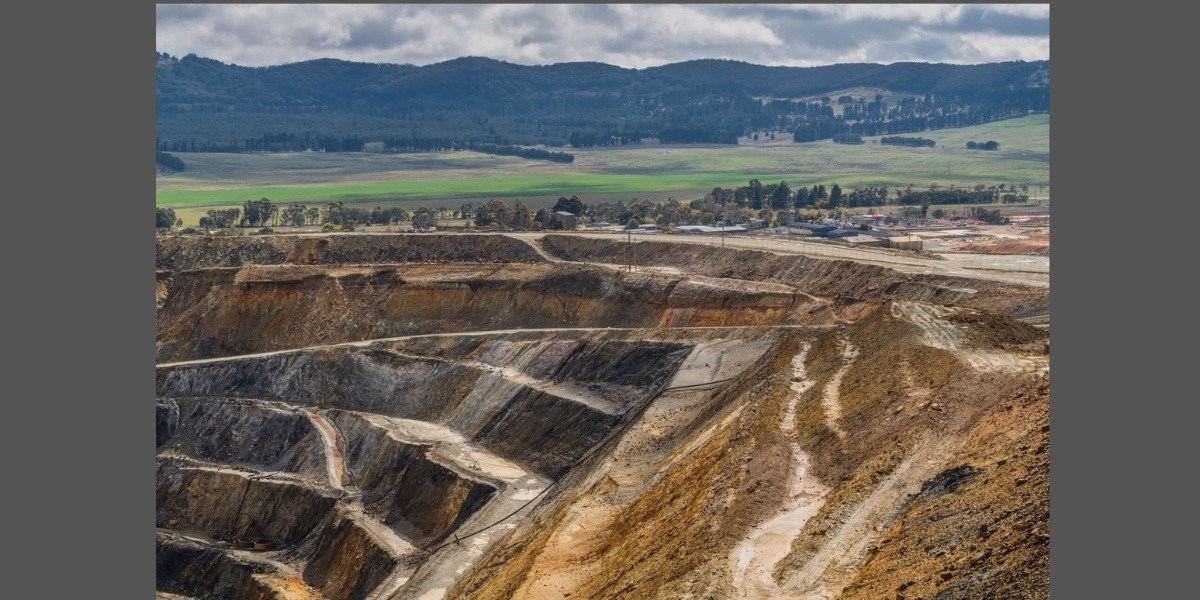
Conducted over the past year, the inquiry received more than 1,400 submissions, held five public hearings and two public forums in Parkes and Goulburn-Mulwaree, and visited the Veolia Woodlawn Eco Precinct at Tarago. Evidence was heard from residents, farmers, councils, Aboriginal Land Councils, health and education professionals, industry, environmental groups, government agencies and technical experts.
‘I’m grateful to everyone who contributed to this inquiry, particularly the regional residents who shared their experiences and concerns about the proposed facilities. The evidence presented to the committee highlighted the importance of fairness, transparency and meaningful community engagement in determining how NSW manages its waste,’ Mrs Overall said.