Business Illawarra says the 2026–27 NSW Budget is fiscally responsible but fails to deliver the support businesses need at a time of rising costs and falling confidence.
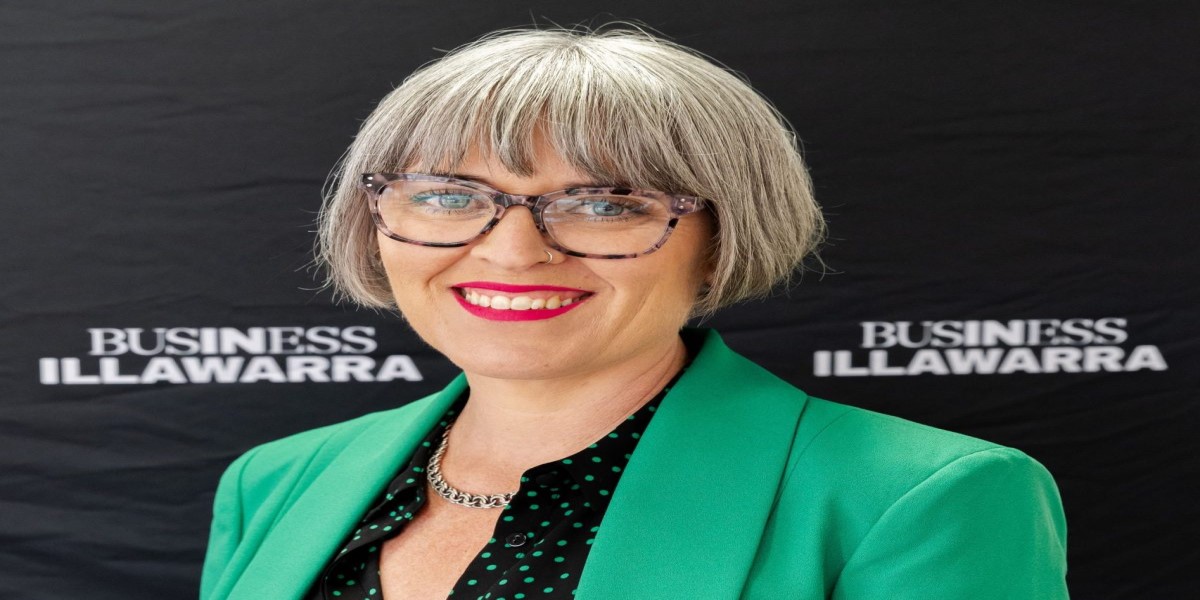
Director Coralie McCarthy said the Budget highlights a growing shift in how the state is funded, with increasing reliance on business activity.
“From July 1, businesses are dealing with higher wages, new superannuation requirements and increased compliance,” Ms McCarthy said.
“At the same time, payroll tax now makes up nearly 30 per cent of total revenue, with an additional $1 billion expected to be collected over the next four years, meaning businesses are carrying a growing share of the load.”
Ms McCarthy said the Budget shows billions falling out of property-based revenue, including transfer duty and land tax, reflecting the governments’ view on a future of weaker market conditions.
“As revenue from property declines, the system is leaning more heavily on payroll tax and levies, without delivering structural relief in return,” she said.
While Business Illawarra welcomed continued investment in infrastructure across the region, Ms McCarthy said the funding reflects projects that have been committed for years, with limited new investment to drive growth.
“The Illawarra, Shoalhaven and Southern Highlands are seeing important projects delivered, but these are not new. They are projects we’ve known about for years,” she said.
“What’s missing is new investment in enabling infrastructure, particularly housing and transport, that will unlock growth and support business.”
“In contrast, other parts of the state, particularly Western Sydney, continue to attract large-scale, transformational investment.”
Ms McCarthy said key business priorities remain unaddressed, including payroll tax reform, the cost of insurance driven by the Emergency Services Levy, and direct business support.
“Whilst it’s great to see the government following through on their commitment to replace Business Connect, the budget shows it is funded lower than it ever was, at a time when support should be increasing, not shrinking,” she said.
Ms McCarthy said elements of the Budget also raise broader questions about transparency and long-term delivery.
“When you look at the detail, there are still significant unanswered questions,” she said.
“There is close to a billion dollars set aside for decisions that ‘haven’t yet been announced’, and we’re also seeing large one-off spikes in program spending, for example in ‘creative industry. tourism, sport and the night-time economy’, followed by sharp drop-offs. It’s not clear what that delivers in the long term for industry or business.”
Ms McCarthy said whilst it was positive to see previous promises followed through; the region also continues to wait for clarity on previously announced infrastructure funding.
“In early March this year, NSW announced $270mil in funding committed to ‘freight and road upgrades associated with the Port’, but there remains limited detail on what that funding intends to deliver on the ground, now months later,” she said.
“Similarly, $10 million in funding was committed back in 2024 to the Rail Resilience Plan, and as of today, there is no plan delivered, no clear outcomes or visible progress – at a time when our transport network is critical to economic growth. The last update we received was in December 2025, when we were told the report was coming soon. Here we are, 6 months later”
Ms McCarthy said with costs rising from July 1, businesses need a stronger and clearer signal from government.
“Businesses are resilient, but they’re under real pressure,” she said.
“The Government may feel like this Budget provides fiscal stability, but for business, it does not provide the support needed to maintain staff, let alone drive growth, investment, and confidence in our region.
“If we don’t invest in enabling infrastructure, housing, transport and logistics, we risk losing investment, losing developers, and losing the momentum and innovation business in this region has worked so hard to create.”