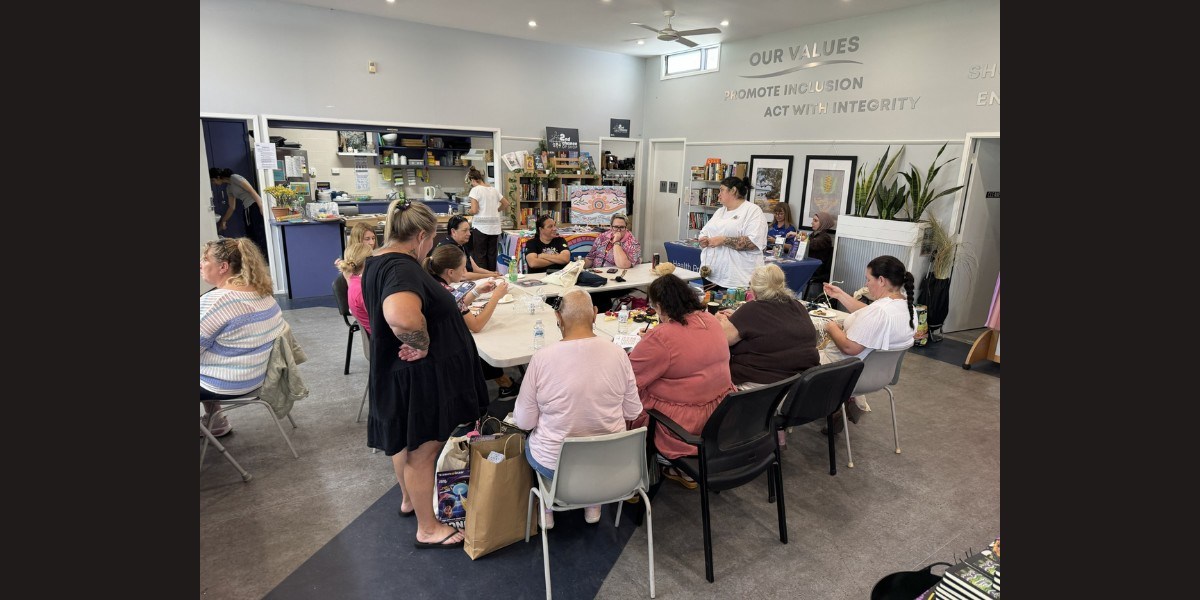
A new cervical screening initiative designed by local Aboriginal women has been launched across the Illawarra Shoalhaven to help improve participation rates and promote culturally safe healthcare.
Women’s Business, Women’s Way was unveiled on Monday and brings together Aboriginal women, health organisations, Aboriginal Health Workers, general practices, Elders and community members to improve access to cervical screening services. The initiative is led by COORDINARE in partnership with Grand Pacific Health, the Illawarra Shoalhaven Local Health District, local GP practices and community groups, with support from a Cancer Institute NSW grant.

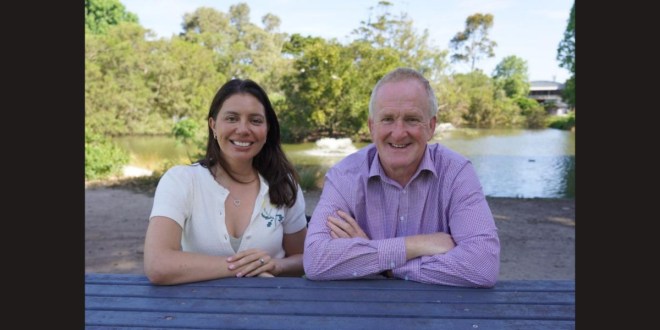
Prudence Buist, chief executive of COORDINARE, said the campaign had been shaped by the experiences and knowledge of Aboriginal women from across the region.
“Local Aboriginal women have generously shared their stories, experiences and knowledge to help us better understand the barriers they face when accessing cervical screening,” she said.
“Their voices have guided every stage of this initiative, from the artwork and community resources to the screening days and education being developed for health professionals.”
National data highlighted in the campaign shows 51 per cent of Aboriginal and Torres Strait Islander women participated in cervical screening in the five years to 2025, compared with 78 per cent of the eligible population nationally. Mortality rates from cervical cancer among Aboriginal and Torres Strait Islander women were more than three times higher than those of non-Indigenous women between 2019 and 2023.
The project was informed by a series of yarning circles facilitated by Aboriginal counsellor and cultural consultant Carlie Schofield, where women and Elders shared their experiences of cervical screening and discussed barriers to care.
Artwork created by Wodi Wodi and Walbunja artist Lauren Henry forms the centrepiece of the campaign and will feature on community education, awareness and screening resources. The artwork reflects stories shared by women across the Illawarra and Shoalhaven and symbolises connection, resilience and support throughout the screening journey.
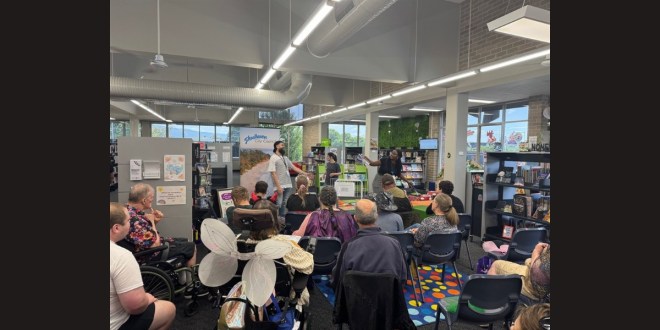
Community days were held during Cervical Cancer Week in Dapto, Bellambi and Sanctuary Point, while education programs are also being developed for general practices and health professionals to help address issues such as shame, misinformation and a lack of cultural safety when discussing sexual health.
Women and people with a cervix aged between 25 and 74 are eligible for cervical screening every five years and can choose either self-collection or clinician-collected screening tests.